Running a hospitality business means dealing with one certainty: things rarely go exactly according to plan.
One week your terrace is packed, the next the weather changes, reservations move around or an unexpected event suddenly fills the room. Customers are unpredictable. Business is unpredictable. Your planning doesn’t have to be.

AAPI Flexibility
That’s where smart scheduling comes in.
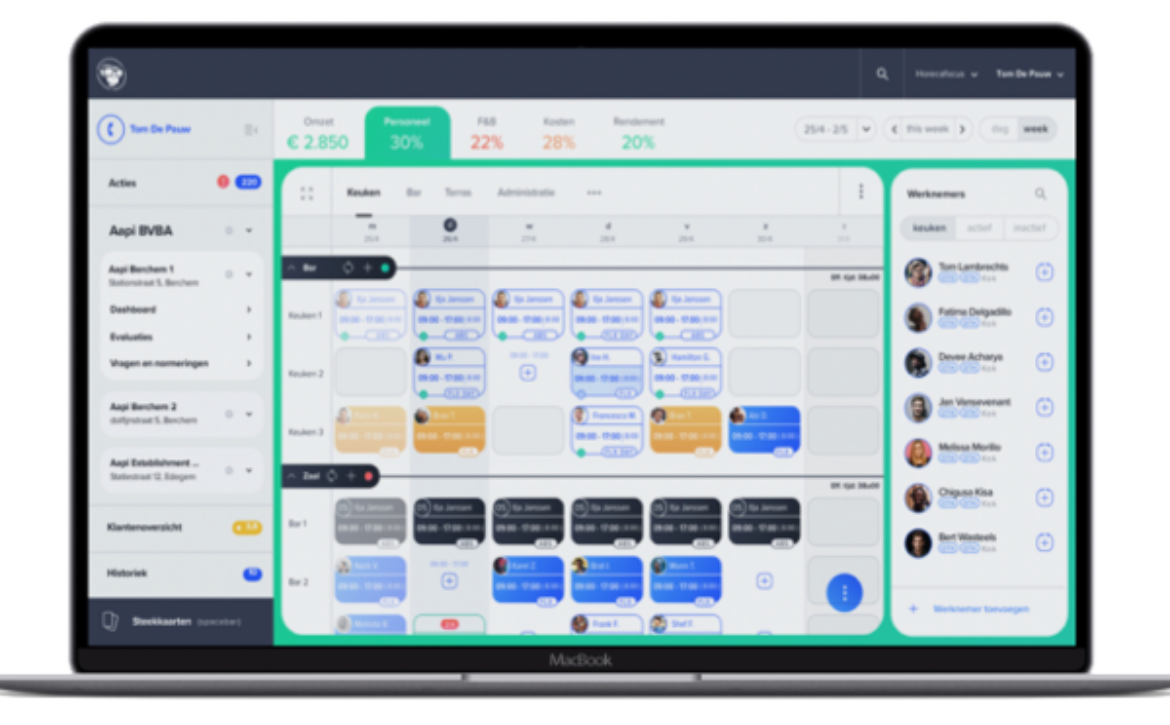
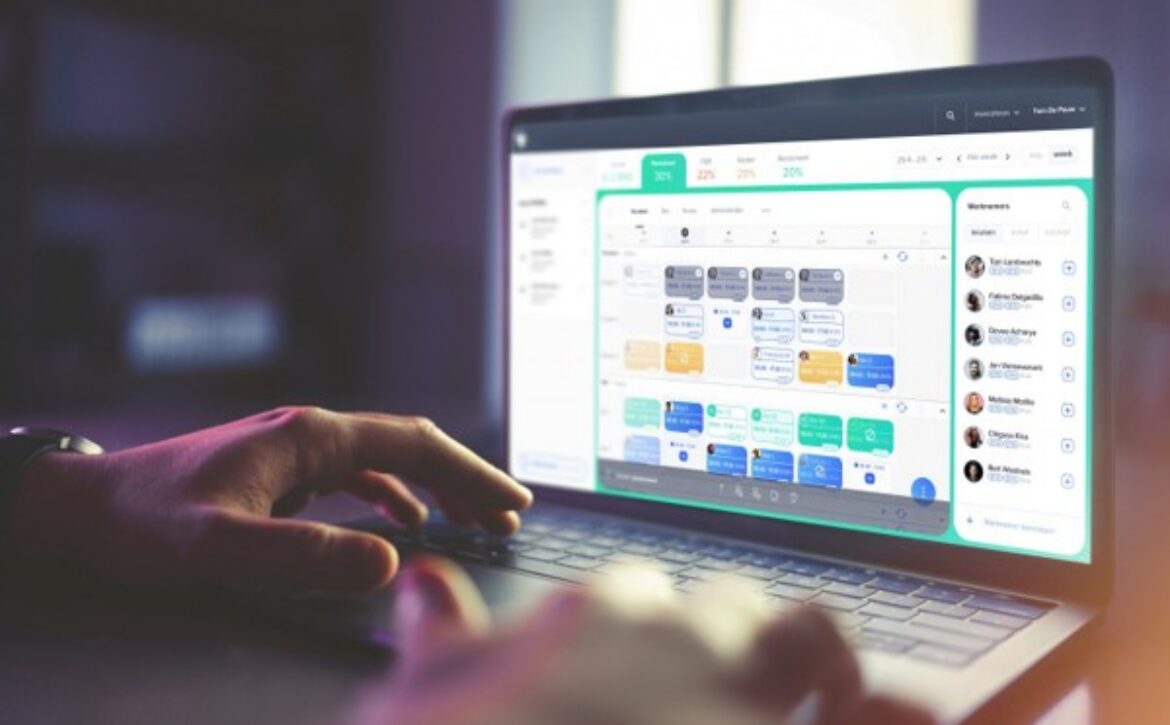
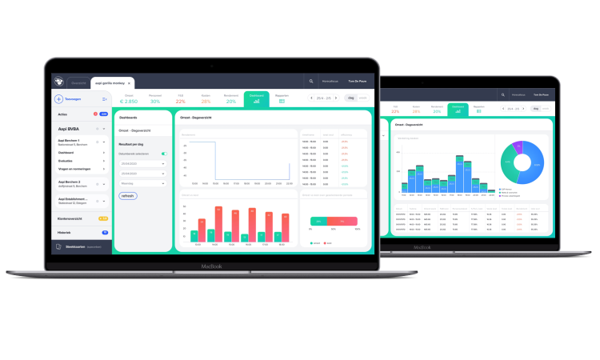
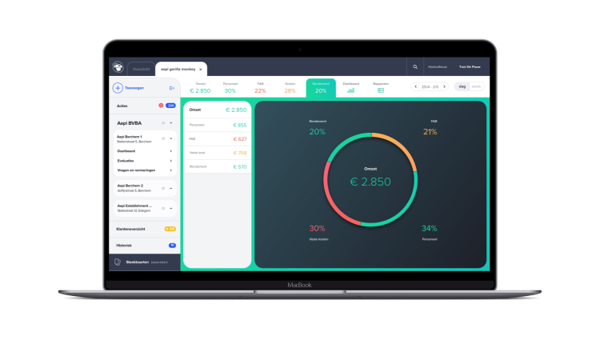
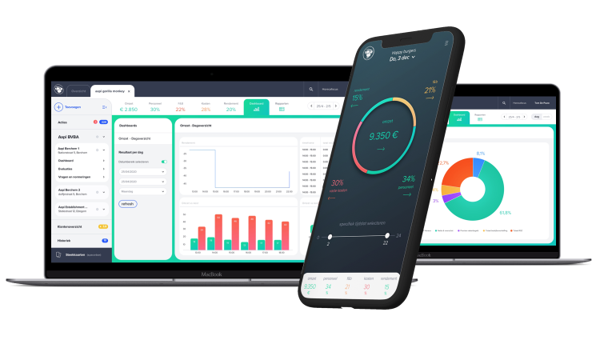
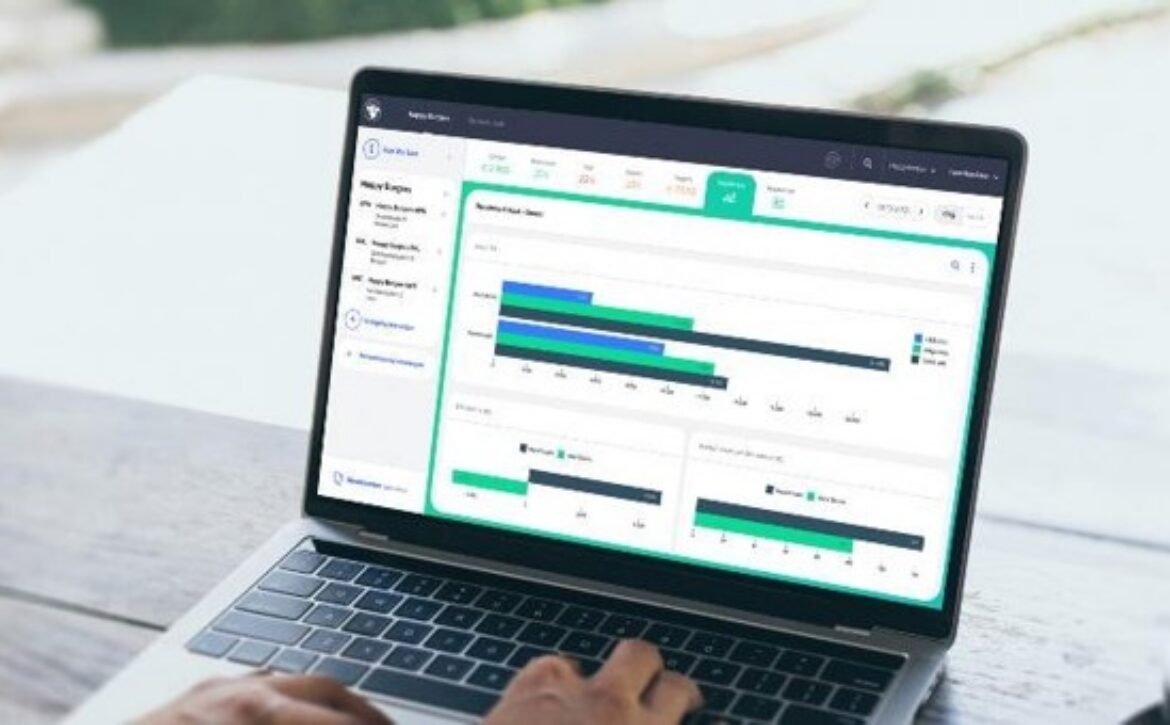
AAPI helps you plan as efficiently and flexibly as possible. The AAPI planning and payroll module gives you useful tips and smart notifications exactly when you need them. Think of it as an extra pair of eyes looking over your shoulder while you build your schedule.
Our intelligent sensors help you spot opportunities, avoid unnecessary costs and understand the social and legal impact of your planning decisions. Less guesswork. More control.
And maybe even a little more sleep at night.
Of course, flexibility has its limits. Your employees also need to know when they are expected at work. As a rule, variable schedules must therefore be announced in advance.
Need some extra hands? Overtime, flexi-jobs, students and temporary workers can give your planning some much-needed breathing room. Changing schedules during the week or removing hours at the last minute is more complicated and often requires agreement from your employees.
The best planning tool is therefore still combined with something very traditional: a good conversation with your team.
Because flexibility works both ways.
Great flexibility
Hospitality has an interesting advantage compared with many other sectors: the system commonly referred to as “great flexibility”.
Instead of having employees perform exactly the same number of contractual hours every week, their working time can be averaged over a longer reference period.
Imagine a quieter week where one of your full-time employees works 30 hours instead of 38. Those remaining hours can potentially be performed later, when business is booming and you actually need the extra capacity.
That gives you much more room to match staffing levels with reality instead of trying to predict exactly how busy every individual week will be.
There is one important condition: by the end of the reference period, employees still need to have performed their average contractual hours.
To make use of this flexibility, your employment regulations also need to include the appropriate provisions and working schedules.
In other words: flexibility is fantastic, provided the paperwork is as well organised as the planning.
Net overtime
Net overtime can be another powerful tool in your staffing mix.
One of its biggest advantages is that these additional hours can be performed by the people who already know your business, your customers and your way of working.
That matters.
When your restaurant suddenly fills up, having an experienced team member step in can be much more valuable than simply adding another pair of hands.
Depending on the applicable conditions, net overtime can also be financially attractive for both employer and employee.
And don’t automatically think only about your traditional full-time employees. In certain situations, flexi-jobbers or students may also qualify when the necessary conditions are met.
The lesson?
Before adding another person to the schedule, look at the different staffing options available to you. The cheapest hour is not always the smartest hour — and the smartest hour is not always the most obvious one.
Part-timers
Part-time employees are extremely valuable to many hospitality businesses, but from a pure planning and cost perspective they require a little extra attention.
The possibilities for additional hours are more limited than with some other employment arrangements.
Part-time employees can perform additional hours on top of their normal schedule within the applicable rules. If this happens frequently, however, it may have consequences for their contractual working time.
That’s where a temporary contract adjustment can sometimes provide a better solution.
For example, you can temporarily increase an employee’s contractual hours for a week or a month when you know you will need additional capacity.
It gives you flexibility while keeping the agreement between employer and employee clear.
Plan smart, not just full
Good scheduling isn’t about putting as many names as possible into little boxes on a calendar.
It’s about finding the right combination of people, contracts, working hours, flexibility and labour cost for every moment.
That’s exactly what AAPI helps you do.
Build your schedule. Let AAPI keep an eye on the rules, opportunities and consequences.
You focus on your guests.
We’ll help you make the planning work.










 AI-driven planning